By David Dallas, CEO, Boys & Girls Clubs of the Mississippi Delta
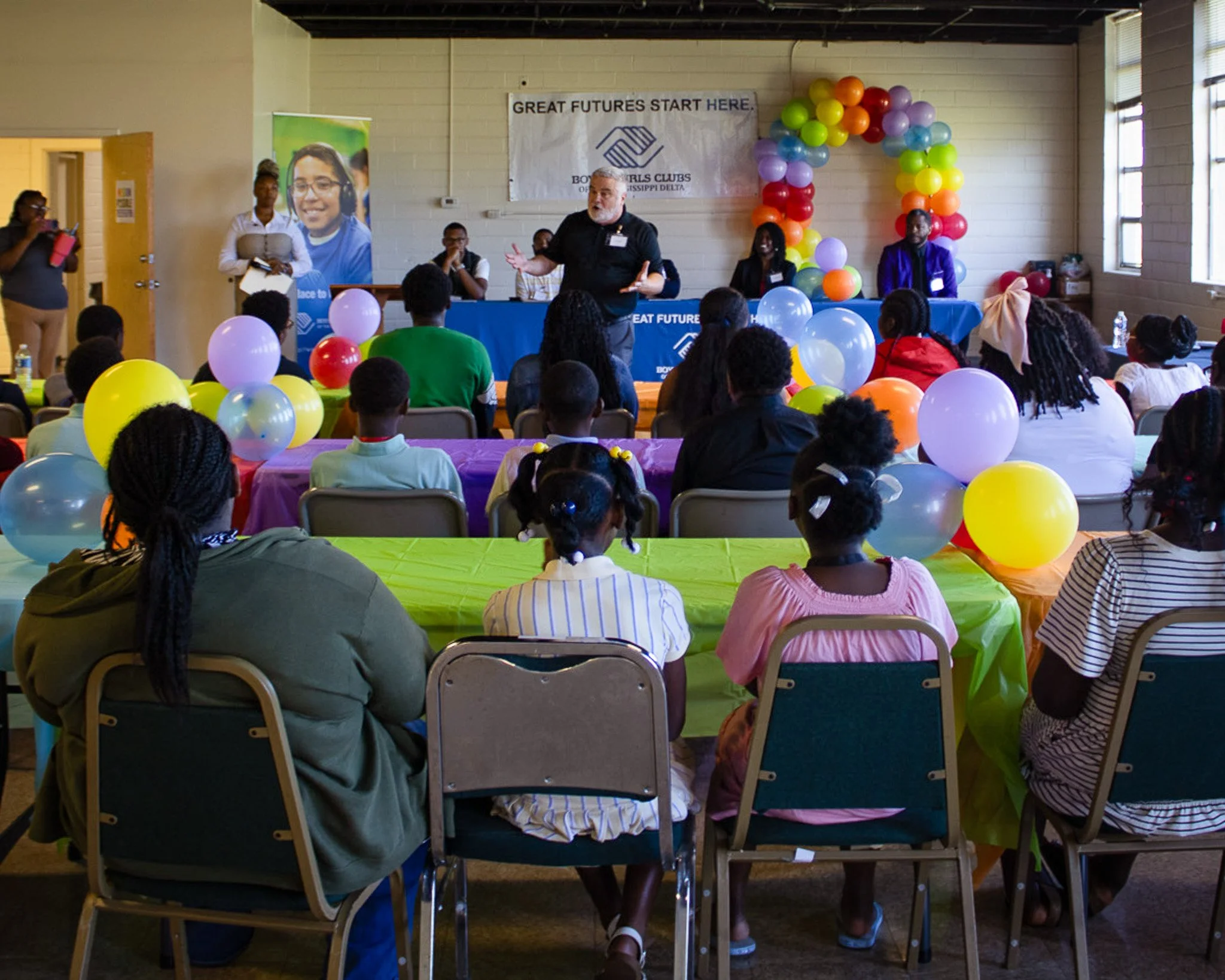
David Dallas speaks to participants of 2026 Youth Summit organized by MVSU Boys & Girls Club
Imagine a Mississippi where every child graduates not just with a diploma, but with a plan for their future. Where working parents have peace of mind knowing their children are safe, supported, and thriving after the school bell rings. Where communities are stronger because young people are equipped with the skills, character, and vision to lead positive change.
This isn't just imagination—it's the measurable reality we are working to create together at Boys & Girls Clubs of the Mississippi Delta.
Across the state, leaders in youth development are asking an important question: What is the true economic value of investing in Boys & Girls Clubs? A new study from our sister organization, Boys & Girls Clubs of the Valley in Arizona, provides compelling evidence that the answer is significant.

The Study: Measuring What Matters
The L. William Seidman Research Institute, the applied research and consulting arm of the W.P. Carey School of Business at Arizona State University, conducted a comprehensive economic impact analysis of Boys & Girls Clubs of the Valley (BGCAZ). Using rigorous economic modeling—including the nationally recognized IMPLAN input-output system—researchers estimated the direct, indirect, and induced impacts of the organization on Arizona's economy.
The findings were remarkable.
For every $1 invested in Boys & Girls Clubs of the Valley, the organization generates $14.79 in community benefit—totaling nearly $398.5 million in annual social and economic value across education, health, workforce, and public safety sectors.
This extraordinary return on investment reflects the comprehensive impact of programs that support not just youth, but entire families and communities.
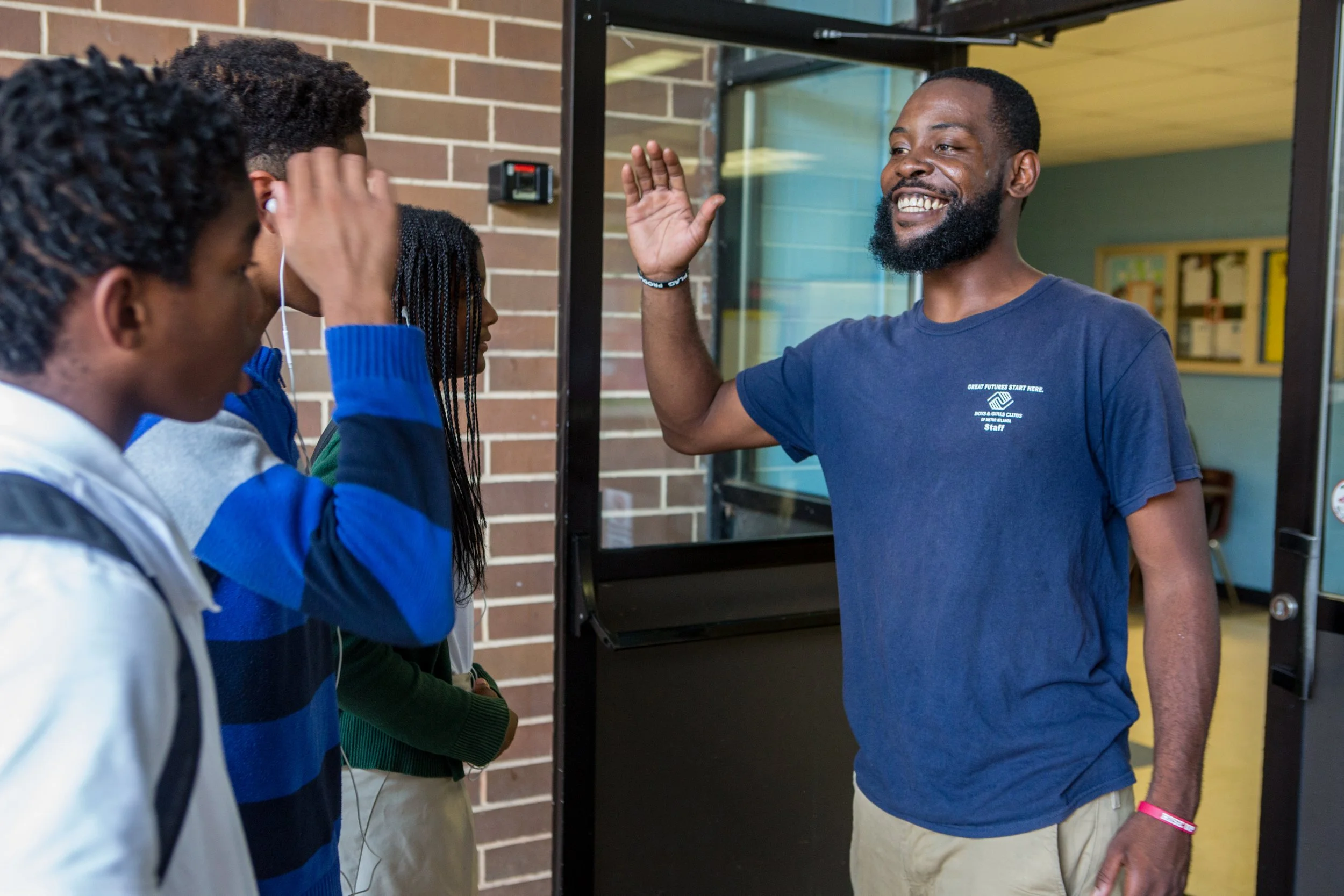
A staff member greets students as they arrive at the Club after school.
Key Findings from the Arizona Study
Supporting Working Families
BGCAZ served 21,136 youth (14,690 members) across more than 30 Clubs during the 2024-2025 membership year, representing 8,732 households throughout Arizona. The organization's programs enabled 5,640 working families to maintain employment, contributing $210.8 million in economic productivity to the state.
Ninety-four percent of parents agreed that the Clubs help them keep their jobs, and 93% of families include at least one working adult. Access to reliable, affordable out-of-school-time care is essential infrastructure for working families—and the study confirms that Clubs serve as that infrastructure.
Academic Success
According to the report, 95% of Club teens are projected to graduate from high school—approximately 10 percentage points higher than the average across the 12 school districts served by the organization. This translates to an estimated $14.9 million in lifetime earnings gains for those additional graduates.
Health and Well-Being
Through the Clubs' Whole Child Approach, in partnership with Terros Health, behavioral incidents decreased by 54% across Clubs. Wellness Coaches and behavioral health programs are addressing the youth mental health crisis head-on, with measurable improvements in emotional regulation and coping skills.
Life and Workforce Readiness
The AZYouthforce program placed 241 interns with 16 employer partners, earning a total of $984,000 in wages during the 2024-2025 year. Participants completed workforce academy training in customer service, financial literacy, and career readiness, with 100% completing training and financial literacy education.
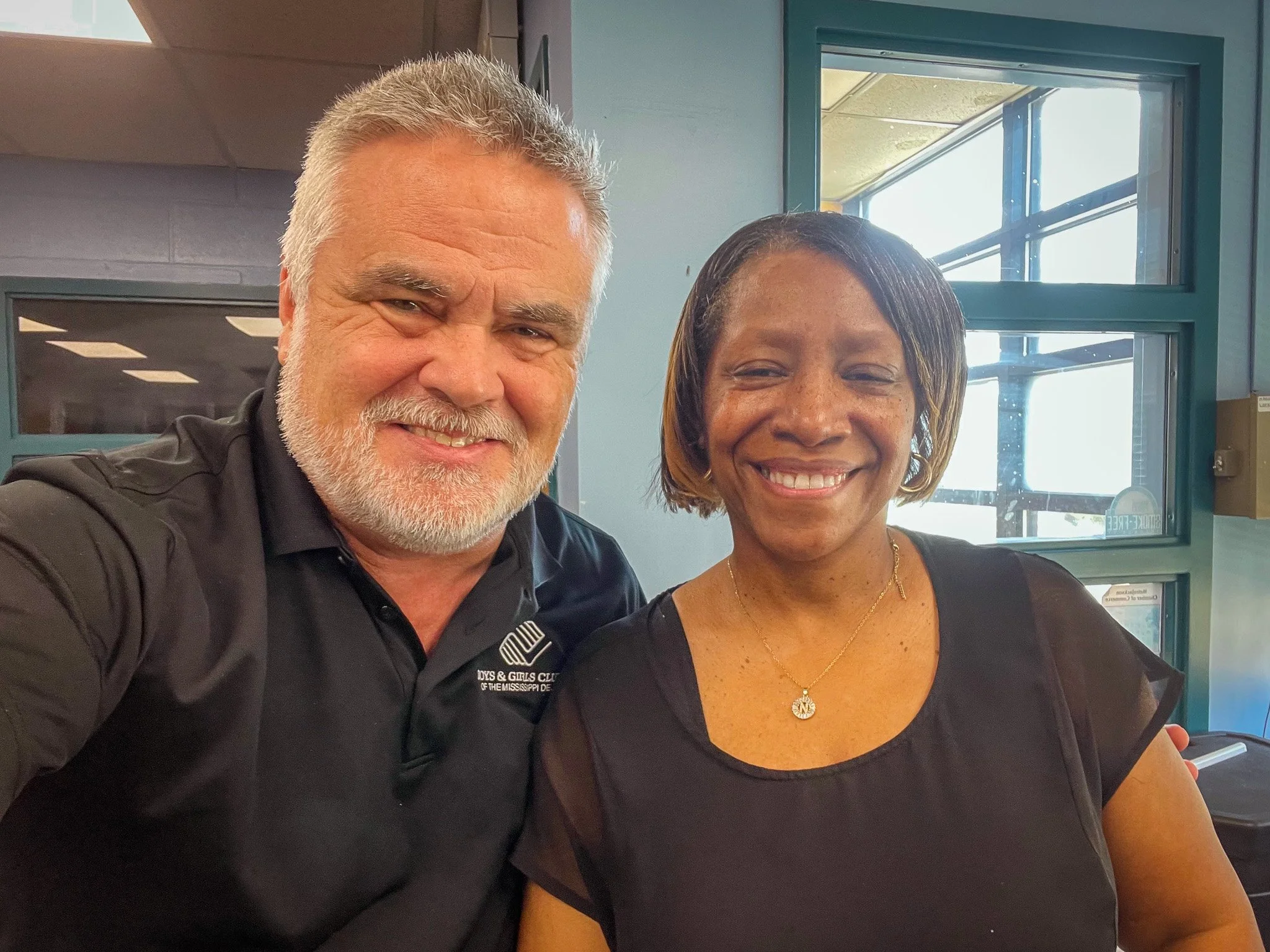
David Dallas meets with Naomi Jackson, CEO of Boys & Girls Clubs of Central Mississippi, to discuss challenges and opportunities facing Clubs throughout the state.
Why This Matters for Mississippi
The challenges facing children and families in the Mississippi Delta are significant. Many of our communities face persistent poverty, limited access to healthcare, and educational inequities that can feel insurmountable. But the Arizona study demonstrates what is possible when communities invest in Boys & Girls Clubs as essential infrastructure for youth and families.
Recently, I had the opportunity to meet with Naomi Jackson, CEO of Boys & Girls Clubs of Central Mississippi, to discuss the challenges and opportunities facing Clubs throughout our state. We share a conviction that Mississippi's children and families need Boys & Girls Clubs—not just for the future, but for community development and workforce support right now.
The evidence is clear: investing in youth development is investing in economic development. The Arizona study provides a roadmap for what we can achieve together across Mississippi.
Our Impact Across the Mississippi Delta
At Boys & Girls Clubs of the Mississippi Delta, we serve nearly 1,400 youth at eight Club locations in Clarksdale, Cleveland, Greenwood, Grenada, Itta Bena, Jonestown, Lexington, and Tutwiler. We also operate a Community Impact Site in Belzoni, with another Club returning to Yazoo City.
Our mission is to enable all young people of the Mississippi Delta, especially those who need us most, to reach their full potential as productive, caring, and responsible citizens.
Every day, our Club Directors and staff provide safe places, caring mentors, healthy meals, and meaningful life experiences that help children and teens succeed in school, career, and life. When a child walks through our doors, they find a place where they can be themselves, make new friends, and build the skills they need to thrive.



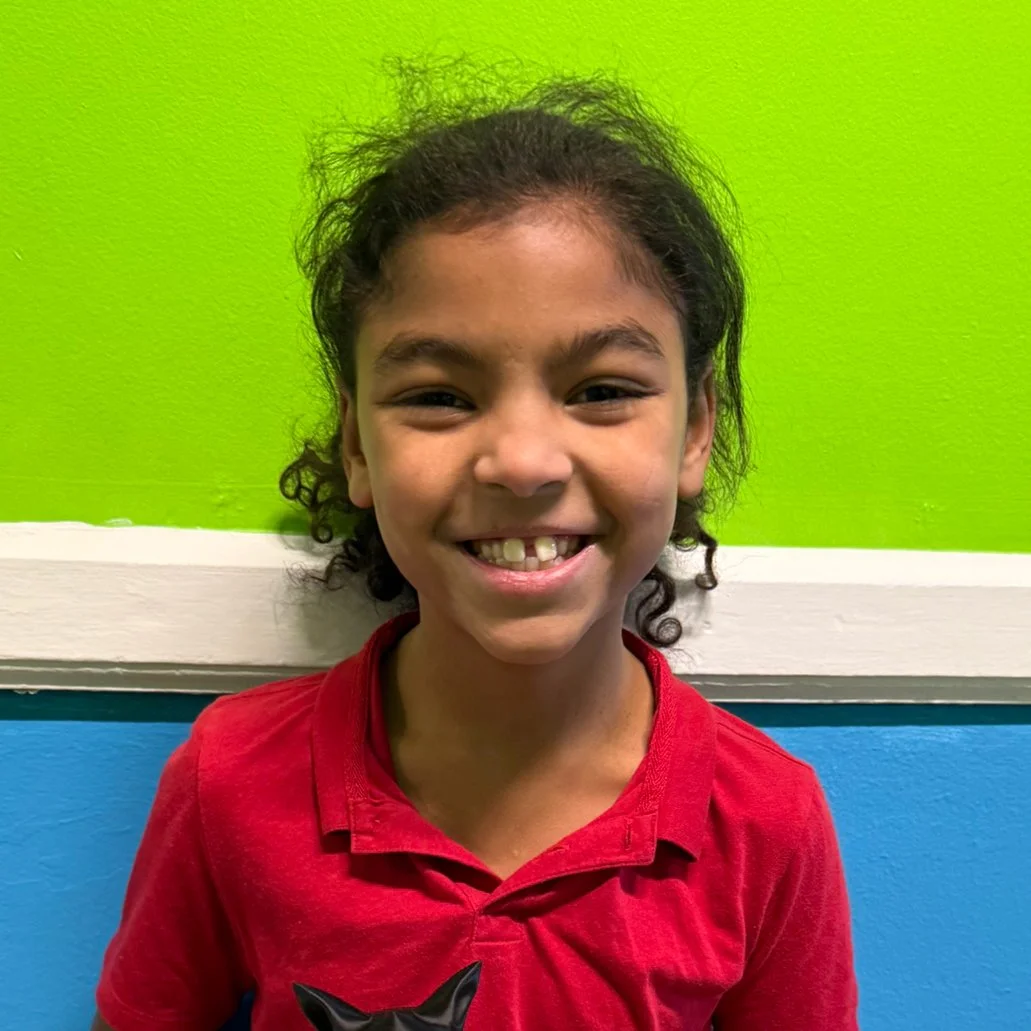
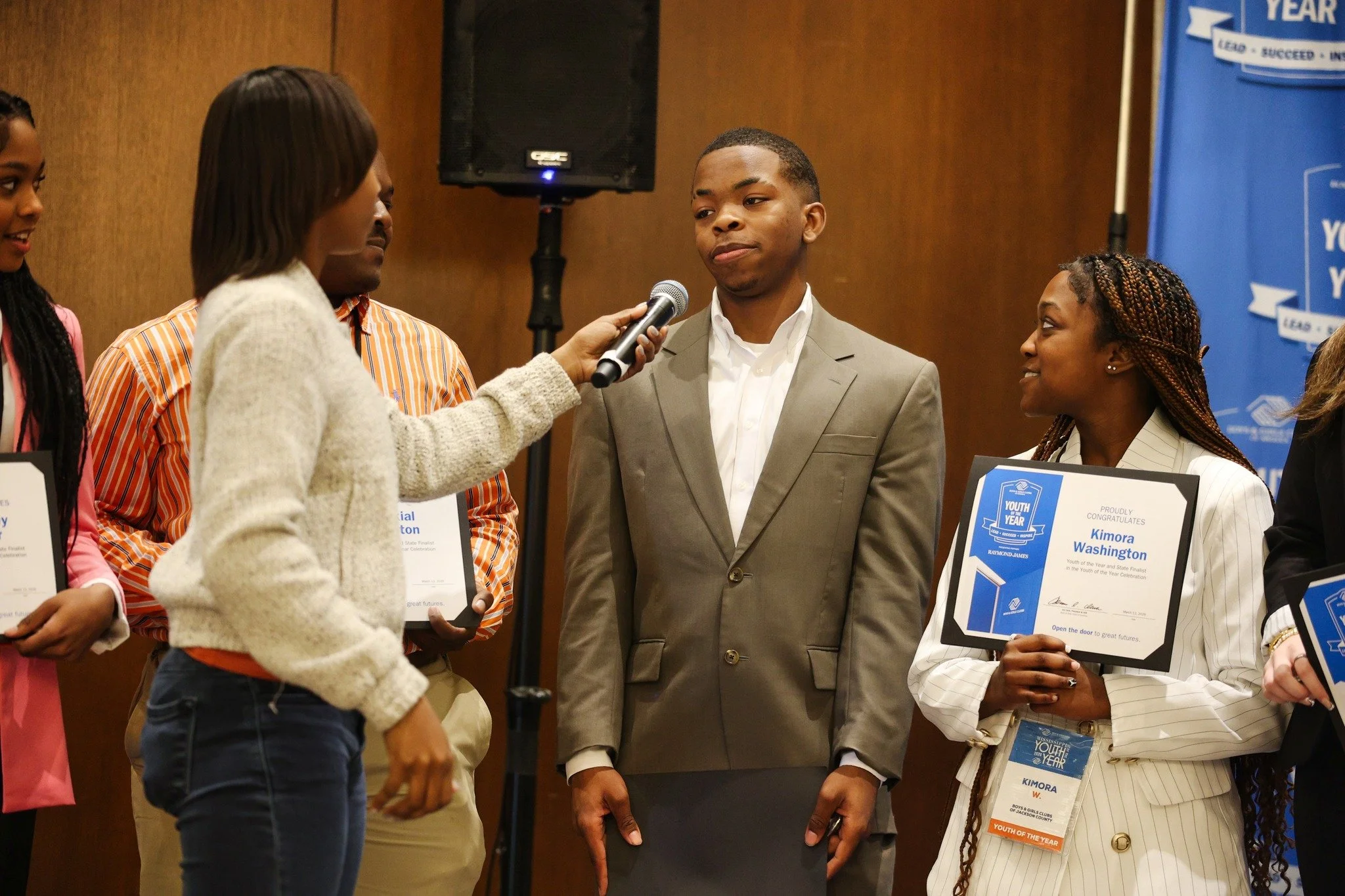
Derrick G. participating in 2026 Youth of the Year program in Jackson, Mississippi.
A Vision for Mississippi
The Arizona study is more than an accounting of numbers. It is proof that when communities invest in their young people, the returns are extraordinary—not just in dollars, but in lives transformed.
We believe Mississippi can achieve similar results. We believe that every child in the Delta deserves access to high-quality youth development programs that prepare them for success. We believe that investing in our Clubs is one of the most effective ways to strengthen families, reduce poverty, and build a more vibrant future for our state.
This is not just imagination—it is a vision we are actively building every day.
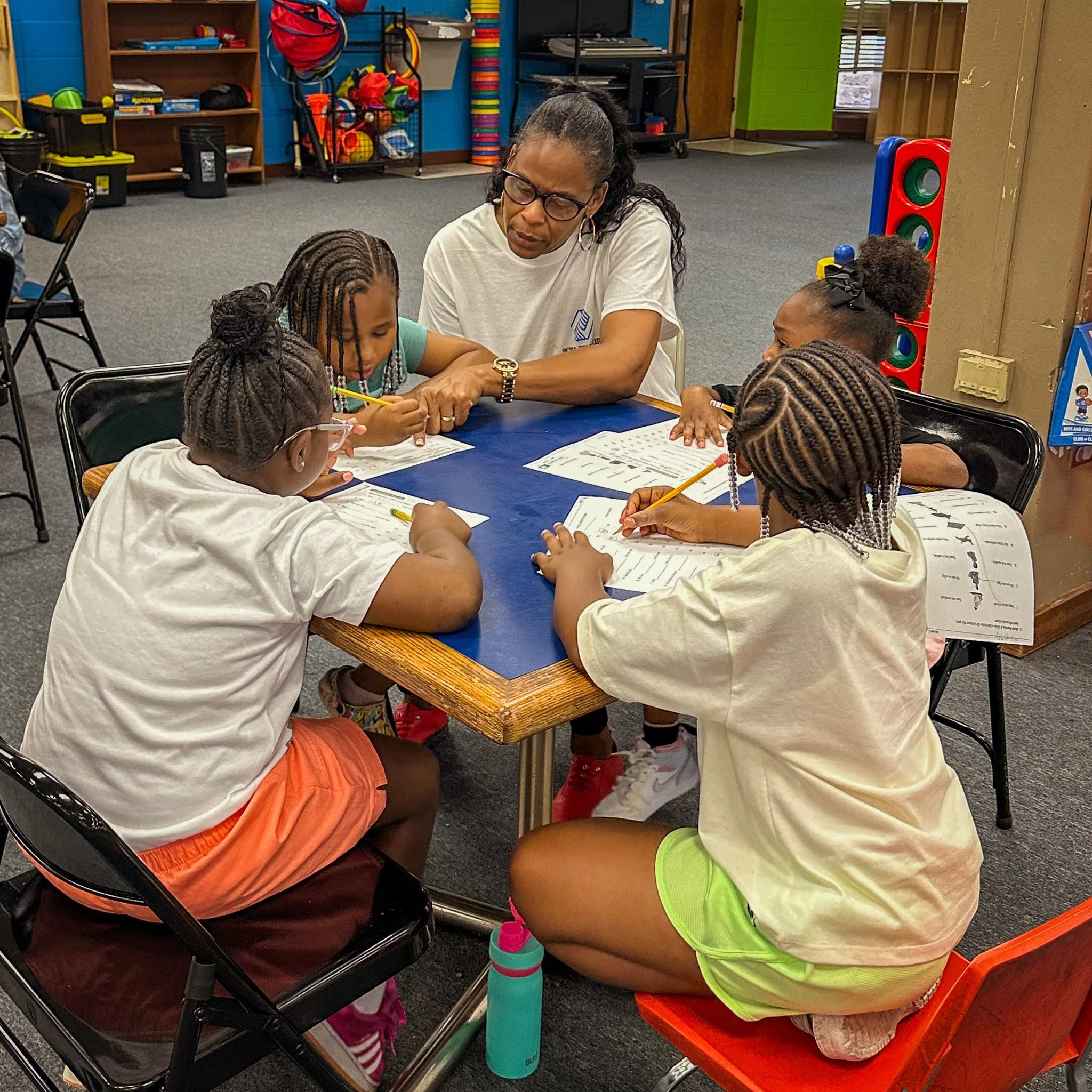
A mentor works with Club members at the Cleveland Boys & Girls Club.
How You Can Help
💙 Donate – Your gift supports academic success, healthy meals, and life-changing programs for nearly 1,400 youth across the Mississippi Delta. Every dollar stays right here in our community.
🤝 Volunteer – Share your time and talent as a mentor, tutor, or activity leader. Your presence makes a difference.
📢 Advocate – Help us make the case for youth development funding and investment in Mississippi's children and families.
Learn More
Read the full Arizona State University Seidman Research Institute economic impact report for Boys & Girls Clubs of the Valley.