
Take a moment to think about how a child spends their average school day.
There is a good chance they are reading from a tablet, typing on a Chromebook, and interacting with educational apps. While technology has brought incredible advancements to the classroom, a growing body of research suggests that we might be leaving something vital behind: the physical act of using our hands.
According to a recent article by Zach Schonbrun (shared by social psychologist Jonathan Haidt in his After Babel newsletter), the debate around screens in schools often focuses on what kids are looking at. But we should also be asking a different question: What are they doing with their hands?
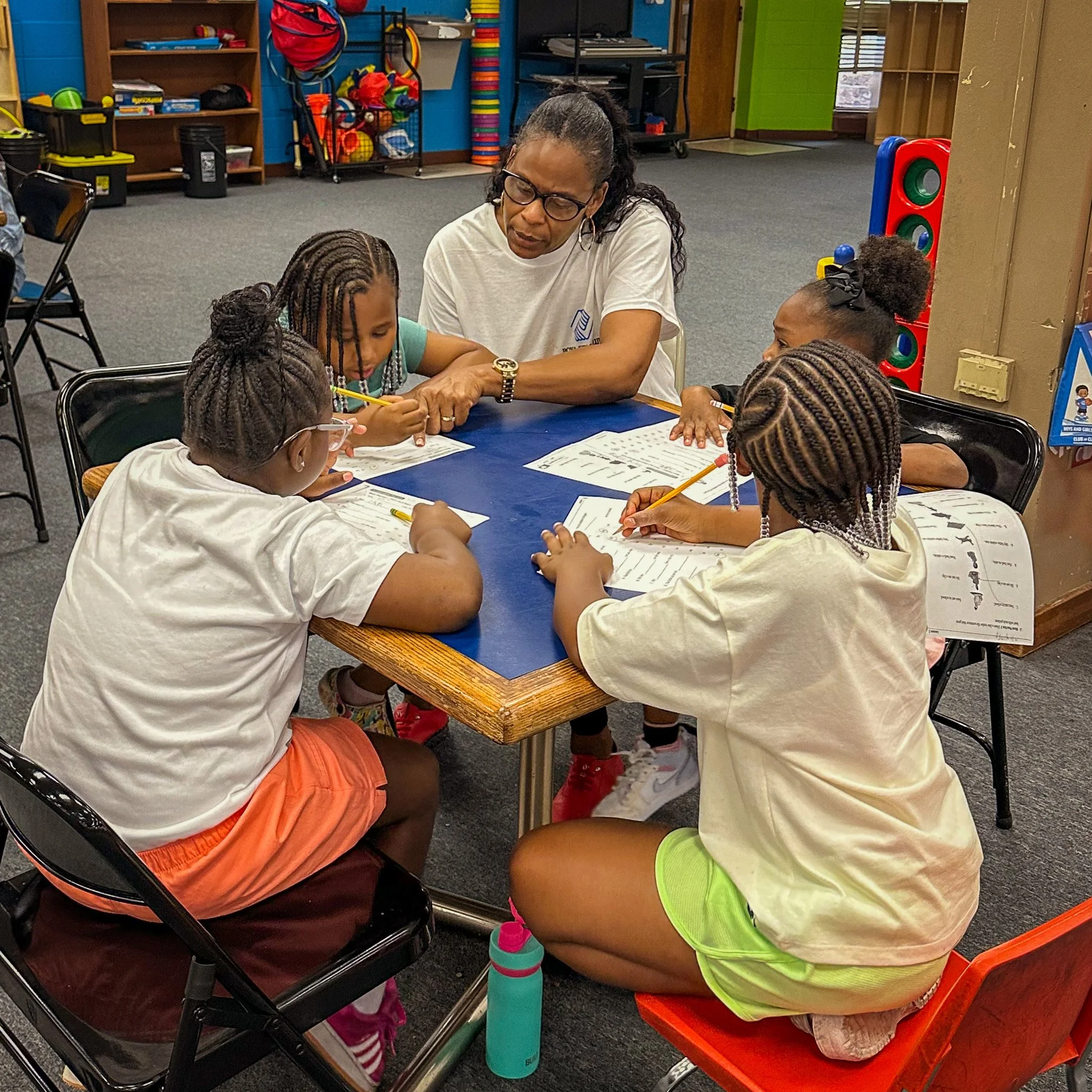
The Science of Handwriting
It turns out that typing is a "sensorimotor shortcut." When a child types a letter, it materializes on the screen almost like magic, skipping key steps in the brain's learning process.
Handwriting, on the other hand, is messy, slow, and deliberate. And that is exactly why it works.
When kids write by hand, they activate a broader network of brain regions involved in motor, sensory, and cognitive processing. They have to think about the shape of the letters, the spacing, and the feel of the pencil on paper. This physical engagement helps them encode information more deeply and recognize symbols later.
As neuroscientist Sophia Vinci-Booher told Schonbrun: “Producing something, particularly symbols, by hand aids in your ability to recognize them later. It leads to longer-lasting recognition.”
The Crisis of the Crayon
The article also highlights a concerning trend: teachers and occupational therapists are seeing a drastic decline in children's fine-motor skills. Kids are struggling with tasks like tying their shoes, buttoning coats, or gripping a pencil. When children miss out on these tactile experiences early on, it can make them less engaged and more frustrated as they advance in school.
How Your Club is Part of the Solution
At the Boys & Girls Clubs of the Mississippi Delta, we know that a great future isn't built just on a screen. It's built by getting hands-on.
While we integrate digital literacy and technology into our programs, we are deeply committed to providing the tactile, real-world experiences that kids need to grow.
Here is how we are putting the research into practice every day:
Arts & Enrichment: From painting murals in Greenwood to our Tutwiler Adult & Youth Quilting Revival, our members are working with their hands, learning fine-motor skills, and expressing themselves creatively.
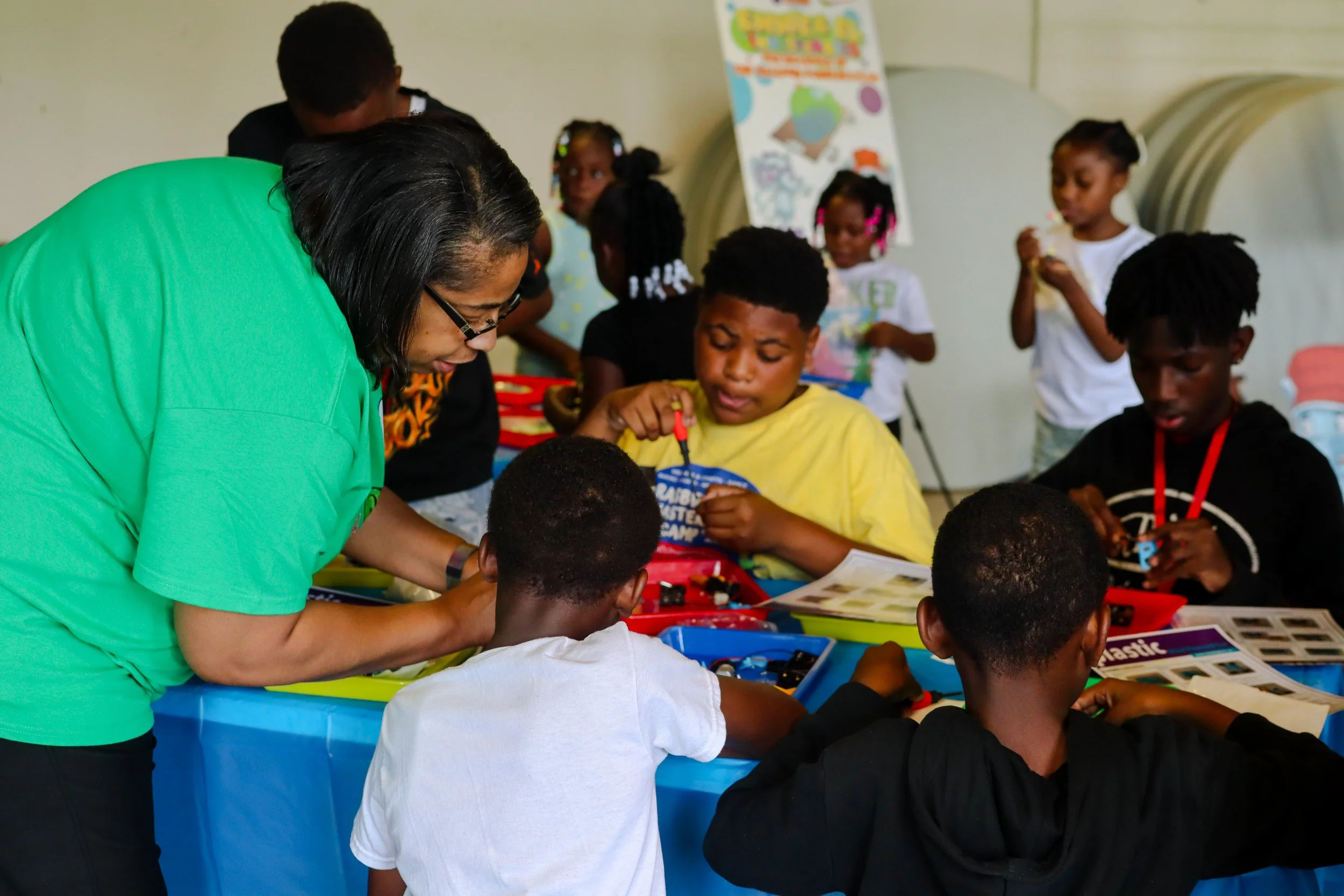
Hands-On STEM: Our robotics programs and science experiments aren't just about reading instructions. They are about building, tinkering, and learning through trial and error.
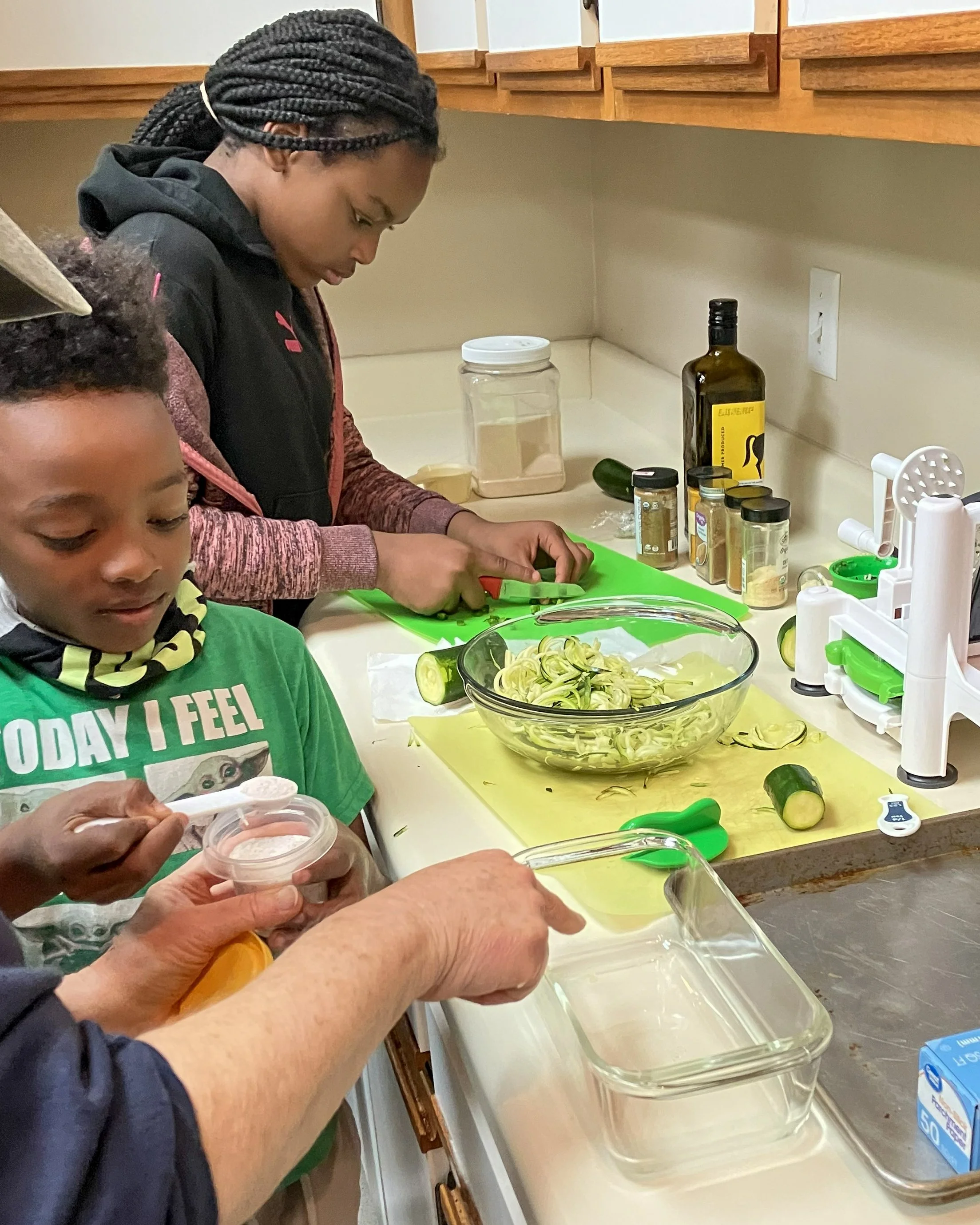
Culinary & Gardening: Through our gardening programs in Cleveland and culinary expansions in Greenwood and Itta Bena, members are getting their hands dirty—planting seeds, measuring ingredients, and learning where food comes from.
Holding a Real Book: In our reading corners, kids are holding physical books, turning pages, and building foundational literacy skills away from a glowing screen.
The Instrument of Intelligence
Over a century ago, Maria Montessori wrote, "The hand is the instrument of man’s intelligence."
As our world becomes more automated, the ability to solve problems with our hands is becoming even more important. Whether it’s designing a robot, writing a story, or cooking a healthy meal, our young people need the chance to unplug, focus, and create.
By supporting the Boys & Girls Clubs of the Mississippi Delta, you are giving our youth the space, the materials, and the mentors they need to engage with the world in a tangible, meaningful way.
Help us continue to open the door to great futures.